In compliance with a recent U.S. Treasury (OFAC) regulatory change, TOEFL and GRE testing within Iran has been paused effective immediately. Iranian nationals may continue to test outside Iran where testing is available. Affected test takers will be contacted directly regarding cancellations and next steps. [Find out more]

Achieving a top score in your TOEFL exam can open doors to many new opportunities, including admission to top universities, scholarships, and new career options.
With the right preparation and strategies, you can maximize your performance in all four sections: Reading, Listening, Speaking, and Writing. With this in mind, here are 20 proven study tips and tricks that can help you achieve top marks in your TOEFL test.
TOEFL Reading Tips
The Reading section focuses on how well you can understand written texts. During this section you’ll be required to read passages and answer questions about them, making a key eye for detail key to a success.
1. Skim the text before reading in detail
When you first open your Reading section, quickly skim the passages to understand the structure, main idea, and overall tone. You can then read the passages a second time before answering the questions, so you can get more specific details.
2. Focus on keywords
Some questions might repeat keywords from a passage. Train yourself to locate keywords and save time.
3. Understand the context of vocabulary
Vocabulary questions could be included in your test. Instead of memorizing the entire dictionary, understand the context of certain vocabulary. During your test ask what word fits logically into the sentence.
4. Prioritize easier questions
Prioritize easier questions first and use the test’s skip function to return to challenging ones later to save time and make sure you can answer all questions.
5. Take notes
Practice active reading by taking brief notes on a separate sheet of paper as you read through each passage. You can summarize each paragraph with a short phrase or headline that captures its main idea.
TOEFL Listening Tips
The Listening section tests your ability to understand the spoken language in situations such as lectures and conversations. Many students have called the listening section “fast paced” so taking notes and focus are crucial to success.
6. Give yourself hints
Don’t try to write every word you hear. Instead, use symbols, keywords, arrows and abbreviations to remember key ideas and examples.
7. Listen for tone
Questions sometimes ask about a speaker’s purpose or attitude. Make sure you understand different tones, including voice changes and emphasis on certain words.
8. Focus, focus, and focus
You need to remain focused throughout the listening section. Zoning out for just a few seconds could cause you to miss key points and make it difficult to answer certain questions.
9. Don’t panic if you miss something
While focus is important, the key to your Listening section isn’t perfection- it's impossible to remember every detail. Instead, you want to focus on the main points and ideas. If you miss something, remain calm and focus on what you already heard.
10. Practice with real materials
Official TOEFL prep is a great way to start your exam revision, but make sure you include other real-world materials as part of your learning process. Listen to podcasts, university lectures, YouTube and have conversations with English speaking friends. Exposure to these materials could help you feel more confident on test day.
TOEFL Speaking Tips
Before you start your Speaking section remember: You’re not graded on your accent. Instead, the test will focus on clarity, organization and content.
11. Use a simple, clear structure
Some students overcomplicate their answers, causing them to miss the question altogether. Instead, provide a direct answer, a supporting reason, and an example.
12. Practice speaking with a timer
During your preparation get used to speaking with a timer. Start by using official TOEFL prep or create your own questions. Follow these up under timed conditions to prepare yourself to speak under pressure.
13. Prepare transition words
Transition words are a fantastic way to combine sentences and link together different points. Think of phrases like: “on the other hand,” “for example,” and “because of this.”
14. Record yourself speaking
As part of your speaking practice record yourself speaking into a microphone. Listen to the recording to spot weaknesses in pronunciation, grammar, and speed.
15. Don’t aim for perfection
While it’s important to speak well, don’t put too much pressure on yourself to create perfect and complex sentences. TOEFL assesses clarity and fluency over complexity. Keep your speaking clear, speak naturally and don’t freeze if you make a mistake. Even native speakers make errors!
TOEFL Writing Tips
The TOEFL Writing section requires you to showcase your English writing ability. This will test your ability to present an argument in written form, similar to essays at university.
16. Read the questions twice
Misunderstanding a question can result in a dramatic decrease in your score. Make sure you understand each question by reading it twice, highlighting the key instructions as you do so.
17. Focus on clarity
While complex language might look impressive, the Writing section is testing your ability to present an argument. Use simple, clear sentences to reduce grammatical errors and improve clarity.
18. Don’t memorize your essay
TOEFL graders are trained to spot memorized templates. Instead, memorize useful sentence starters, connectives, and key vocabulary that you can adapt to your writing.
19. Don't forget to edit
Make sure you leave time at the end of the section to edit. Check for subject-verb agreement, missing articles, and spelling errors. A few corrections can raise your score.
20. Practice typing
Your Writing section will be completed on a computer. Make sure you practice writing using a keyboard before your test so you can complete the section in time.
Test Day: Your Opportunity to Shine
Achieving a top score on your TOEFL exam isn’t about being “perfect” at English, it’s about understanding the test format and completing the necessary preparation for your exam. This is your opportunity to shine!
Remember, consistency will always beat cramming. Start your revision months before your test and practice with real materials to refine your strategies day by day.
Good luck! You got this!


Copy URL to clipboard
Related


TOEFL Test Prep and Tips
How to Study for the TOEFL iBT® test with Music | Tina’s Future Me Calling Album Guide
June 2, 2026
TOEFL Test Prep and Tips
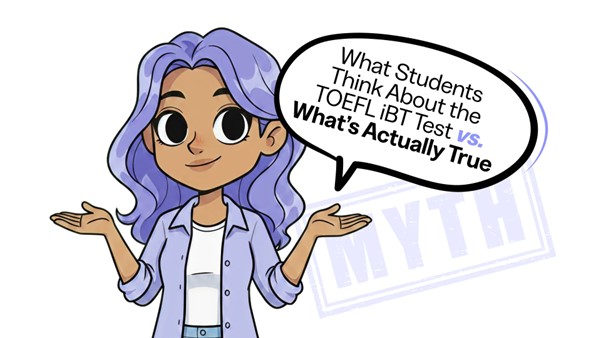
Tina’s Myth-Busters: What Students Think About the TOEFL iBT Test vs. What’s Actually True
May 6, 2026
TOEFL Test Prep and Tips
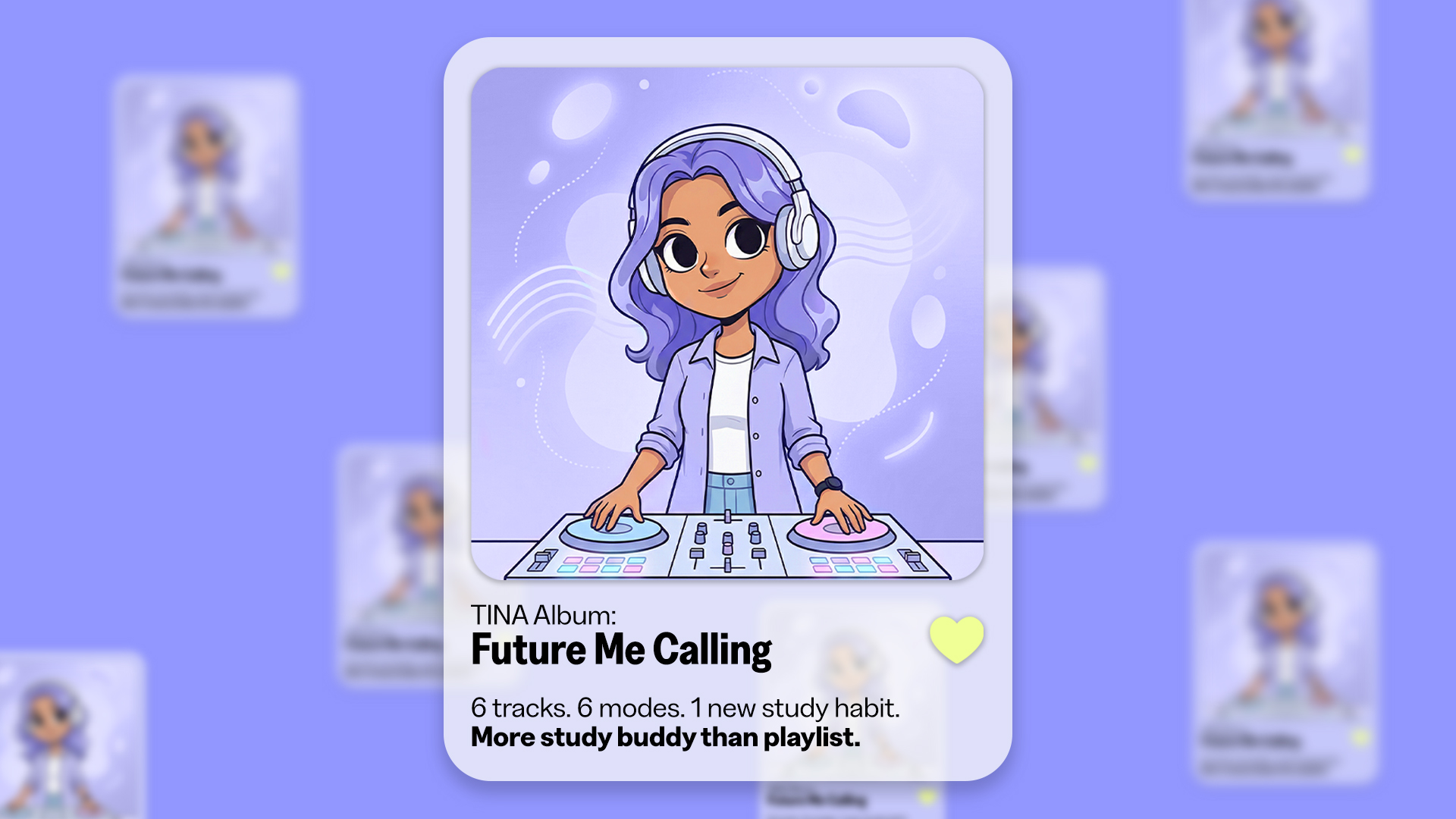
Meet Tina's Study Album: The Playlist That Works Like a Study System
Struggling to focus? Discover Tina’s science-backed study playlist designed to help you enter deep focus and stay productive during TOEFL test prep.
April 21, 2026

TOEFL Test Prep and Tips
The Ultimate 3-Month Study Plan for the TOEFL iBT® test (2026)
Prepare for the TOEFL iBT® 2026 with this complete 3-month study plan. Improve your skills, build confidence, and achieve your target score.
March 31, 2026

TOEFL Test Prep and Tips
Validity by Design: Measuring Academic English That Matters
Explore how TOEFL uses authentic academic tasks and a validity-by-design approach to measure real-world English proficiency.
February 11, 2026
TOEFL Test Prep and Tips
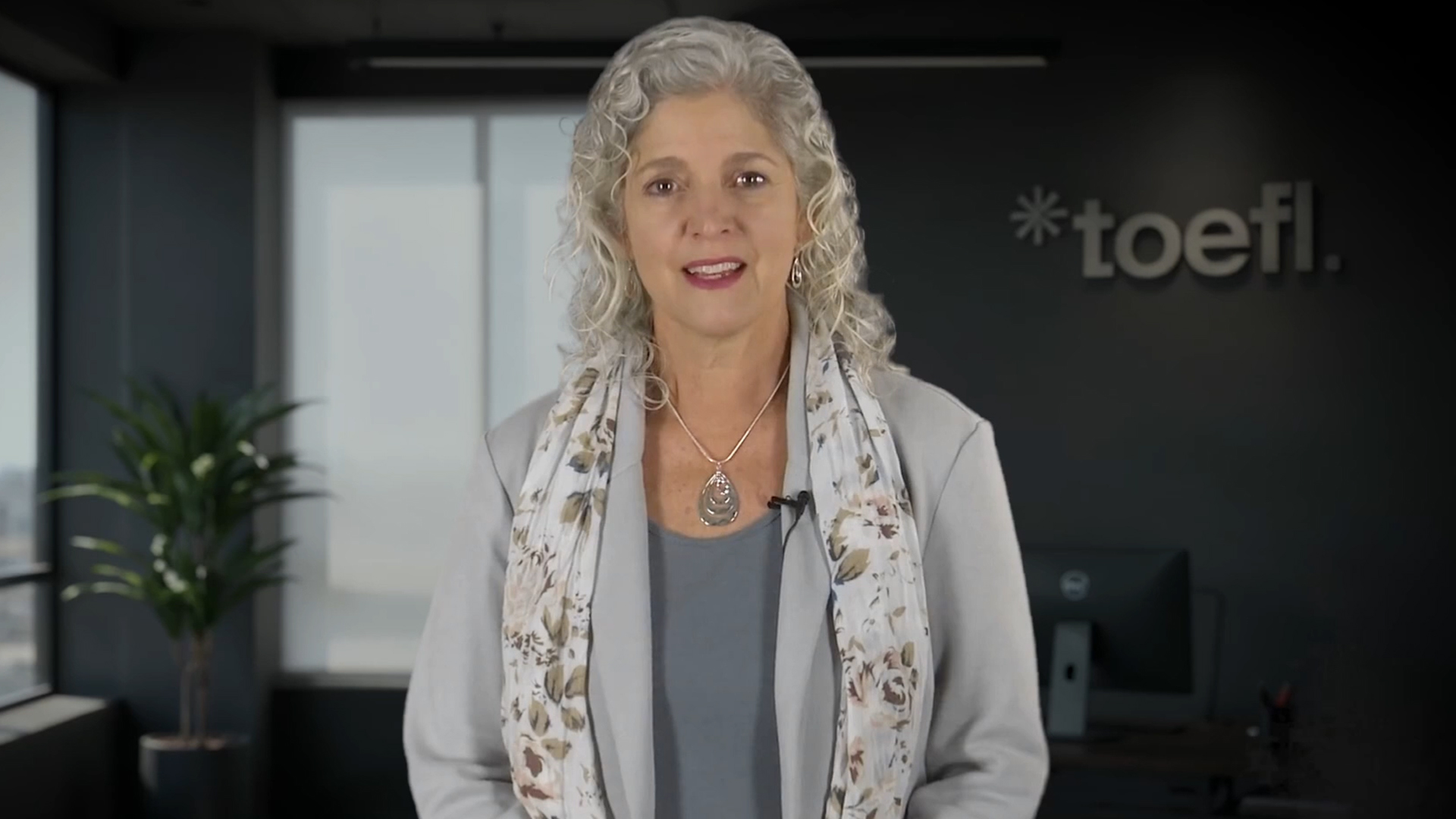
How TOEFL is Evolving to Serve Today’s English Learners
See how TOEFL continues to evolve the TOEFL iBT® test through research-driven innovation, adaptive testing, and modernized academic tasks.
February 6, 2026

TOEFL Test Prep and Tips
How to Reschedule Your TOEFL Exam: A Brief Guide
Learn how to reschedule your TOEFL iBT exam step by step, including deadlines, fees, refund policies, and common reasons for changing your test date.
January 28, 2026

TOEFL Test Prep and Tips
Common TOEFL iBT Mistakes You Should Avoid
Discover the most common TOEFL iBT mistakes students make before and during the test and learn practical strategies to avoid them.
January 21, 2026

TOEFL Test Prep and Tips
TOEFL Home Edition vs Test Center: Which option is best for you?
Breaking down the difference between the TOEFL Home Edition and test center experience
January 6, 2026

TOEFL Test Prep and Tips
20 Proven TOEFL Tips & Tricks to Score 100+
Achieving a top score in your TOEFL exam can open doors to many new opportunities, including admission to top universities, scholarships, and new career options.
November 11, 2025

TOEFL Test Prep and Tips
What Are The Best Tools to Use For Your TOEFL Test
Discover the best tools to prepare for the TOEFL iBT test.
October 7, 2025

TOEFL Test Prep and Tips
How to Feel Confident Going Into Your TOEFL Test
Boost your TOEFL confidence with proven tips, practice strategies, and mindset shifts to perform your best on test day.
August 27, 2025

TOEFL Test Prep and Tips
The Smart Way to Prepare for Your TOEFL Test (Without Burning Out)
Preparing for your TOEFL test? Use these study tips to get the most out of your sessions and avoid burnout.
August 12, 2025

TOEFL Test Prep and Tips
What is the best way to study for TOEFL at home?
Learn effective study strategies for the TOEFL iBT Home Edition. Discover how to create a study schedule, master each test section through targeted practice, and use resources like TOEFL TestReady to build English proficiency and boost your test day confidence.
June 11, 2025

TOEFL Test Prep and Tips
Can I Take My TOEFL Test Online?
Yes! The TOEFL iBT is offered both online, with the Home Edition, and in test centers, allowing test takers to choose where they feel most comfortable.
June 6, 2025

TOEFL Test Prep and Tips
6 Tips for Retaking the TOEFL iBT Test
If you didn’t reach your score objective the first time around, don’t panic – follow these prep tips to help get your best scores.
October 10, 2024

TOEFL Test Prep and Tips
Prepping for TOEFL: The Debate Between Preparation and Cramming
Prepping for TOEFL: The Debate Between Preparation and Cramming
October 10, 2024

TOEFL Test Prep and Tips
10 Tips for Test-taking Anxiety
Learn how to reduce test-taking anxiety and stress as you study to take your TOEFL iBT test.
June 17, 2024